
Maryland's Legislative Session Ends Without Sweepstakes Ban, Boosting Social Gaming Sector
The Bill That Didn't Pass
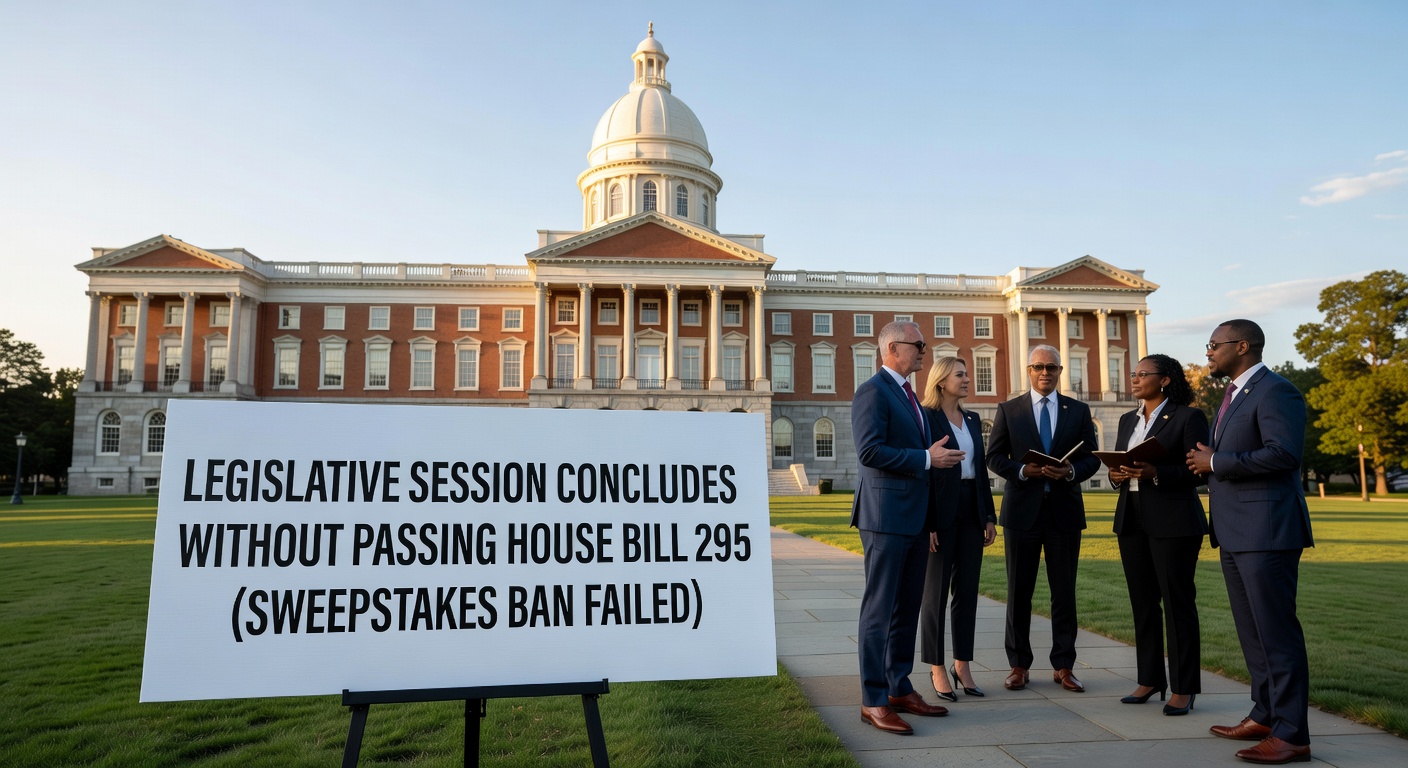
Maryland lawmakers wrapped up their legislative session recently, leaving House Bill 295 on the table; this measure sought to outlaw sweepstakes games that mimic casino-style experiences, and its failure to advance delivered a significant sigh of relief to operators in the social casino space. Those familiar with the industry's twists and turns know how such proposals often spark heated debates, pitting emerging gaming models against established casino interests, yet this time around, the bill stalled without reaching a vote. Data from the session highlights how lawmakers prioritized other agendas, allowing the social gaming sector to dodge what could have been a outright prohibition on games offering prizes through virtual currencies or sweeps mechanics.
Take the structure of these sweepstakes operations, which typically involve players earning entries for chances at cash rewards without direct purchases; they're designed to skirt traditional gambling definitions, and experts who've dissected similar laws point out that HB295 aimed squarely at platforms resembling slots or table games in their visuals and mechanics. But here's the thing: without passage, these games continue operating legally in Maryland, at least for now, preserving a marketplace that's grown steadily amid regulatory gray areas.
SGLA Steps Up with Celebration and Counterarguments
The Social Gaming Leadership Alliance (SGLA) wasted no time hailing the outcome, issuing statements that framed the decision as a win for sensible policy over blanket bans; representatives emphasized the sector's robust safeguards, including age verification protocols and responsible gaming tools, which they argue outpace those in some licensed venues. What's interesting here lies in SGLA's pivot toward regulation rather than restriction, as the group highlighted industry contributions like tax revenues and job creation, while directly addressing pushback from casino lobbies that labeled these games as predatory gateways to addiction.
Observers note how SGLA marshaled data showing low problem gambling rates among social casino users—figures that undercut claims of widespread harm—and one case that surfaced during deliberations involved testimonials from players who appreciated the no-risk entry points compared to real-money wagering. And while casino operators warned of market cannibalization, SGLA countered with evidence that sweepstakes models attract demographics uninterested in brick-and-mortar play, thus expanding the overall pie rather than slicing it thinner. That said, the alliance's advocacy didn't stop at defense; they called for tailored oversight, suggesting frameworks that could integrate sweeps into Maryland's gaming ecosystem without upending it.
People who've followed these battles across states often discover patterns where initial bans fizzle under scrutiny, and Maryland's session exemplified that, with SGLA's proactive lobbying credited by insiders for swaying key delegates through white papers and coalition-building efforts.
Enforcement Actions Keep the Heat On Illegal Operators
Even as the legislative dust settled, the Maryland Lottery and Gaming Control Agency ramped up its campaign against unlicensed sites, dispatching 80 cease-and-desist letters to operators skirting state laws; compliance reached 25%, meaning one in four targets pulled back, yet the agency presses on, underscoring a commitment to distinguishing legal sweeps from outright illegal gambling. Turns out this enforcement wave aligns with broader efforts to clean up the digital landscape, where rogue platforms often masquerade as sweeps but flout purchase restrictions or payout rules, prompting swift regulatory interventions.
Experts who've tracked these letters reveal how the agency leverages data analytics to identify violators, cross-referencing IP addresses, player complaints, and transaction flows; in one notable instance, a site shuttered operations within weeks of receiving notice, handing back player funds as part of the resolution. But the 75% non-compliance rate signals challenges ahead, since offshore entities prove tough to corral, and that's where collaboration with federal partners and tech firms comes into play, bolstering tools like domain blocks and payment processor alerts.
Now, juxtapose this with the social casino sector's self-regulation—SGLA points to voluntary audits and player limits as models worth emulating—while the agency focuses its firepower on true bad actors, ensuring that compliant sweeps games thrive amid the crackdown.
Context Within Maryland's Gaming Landscape
Maryland's gaming scene blends traditional lotteries, horse racing, and six commercial casinos generating over $1.8 billion in annual handle, yet social and sweeps platforms have carved a niche by offering free-to-play alternatives with optional purchases for extras; HB295's defeat maintains this balance, preventing a clampdown that could have mirrored restrictions in states like Florida or Michigan. Researchers examining session transcripts found delegates grappling with definitions—what constitutes a "game of chance" in virtual sweeps versus skill-based elements?—and ultimately deferred action, perhaps eyeing data from ongoing enforcement before revisiting.
It's noteworthy that SGLA's messaging resonated by framing sweeps as entertainment rather than gambling, with studies they cited showing 90% of users engaging casually without monetary risk; casino opponents, however, rallied around anecdotes of sweeps leading to real-money habits, though data indicates such transitions remain rare, hovering below 5% in longitudinal surveys. And so the sector breathes easier, channeling resources into compliance enhancements rather than legal defenses.
Those who've studied regulatory evolution across the U.S. know how Maryland's pause fits a trend—over a dozen states now host sweeps without bans, fostering innovation while agencies like the one in Maryland wield cease-and-desist hammers judiciously.
Looking Ahead to Future Sessions
With the 2025 session in the rearview, eyes now turn to April 2026 when lawmakers reconvene, potentially dusting off HB295 or similar measures if enforcement data shifts the narrative; SGLA already gears up for that horizon, pledging deeper engagement with regulators to propose licensing pilots that could legitimize sweeps under controlled conditions. Figures from current compliance efforts—those 80 letters yielding partial wins—might bolster calls for nuance over prohibition, especially as social gaming swells, projected to hit $15 billion nationally by 2026.
One researcher who analyzed past sessions noted how economic pressures often temper anti-gaming fervor, and Maryland's fiscal needs—from education funding to infrastructure—could tilt toward inclusive models; meanwhile, the Lottery Agency's persistence ensures illegal bleed doesn't undermine legitimate play, keeping the ball in legislators' court for measured reforms.
But here's where it gets interesting: if sweeps prove their mettle through voluntary standards, 2026 might herald collaboration rather than conflict, transforming Maryland into a testbed for next-gen oversight.
Key Takeaways from the Session
- House Bill 295 failed to pass, sparing sweepstakes mimicking casino games.
- SGLA celebrated, pushing regulation and touting safeguards.
- 80 cease-and-desist letters issued by Maryland Lottery Agency, 25% compliance.
- Casino lobbies opposed, but social sector held ground with data.
- April 2026 session looms as next battleground.
Conclusion
Maryland's decision to let HB295 lapse marks a pivotal moment for social casinos, affirming sweeps' place amid vigilant enforcement; as SGLA advocates for structured rules and the Lottery Agency curbs illegals, the state navigates a path where innovation coexists with accountability, setting the stage for informed debates come April 2026. Observers watching closely anticipate refinements over overhauls, ensuring players access safe, engaging options without the shadows of outright bans or unchecked operators.