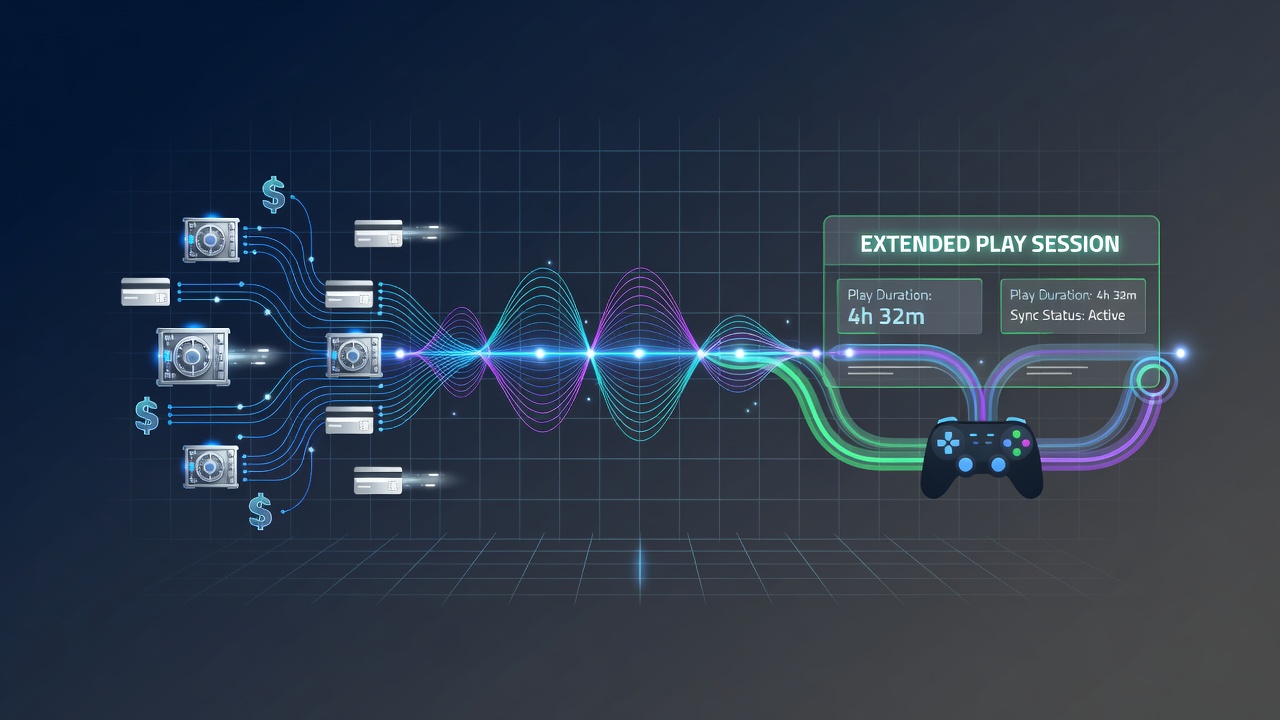
Tracing Synchronization Patterns Between Electronic Fund Transfers and Extended Play Sessions in Remote Gaming Interfaces
Remote gaming platforms record precise timestamps for every electronic fund transfer alongside session duration metrics, and operators use these paired data points to identify recurring sequences where deposits coincide with prolonged activity windows. Systems log the exact moment a player initiates a transfer, the confirmation time, and the continuation of play that follows, which creates traceable chains across multiple hours or even full days of engagement.
Data Collection Mechanisms in Digital Gaming Environments
Platforms capture transaction records through secure APIs that feed directly into centralized databases, while session tracking software monitors login times, game selections, and logout events without interruption. Analysts then align these datasets by matching transfer confirmation codes with overlapping session identifiers, and this process reveals clusters where repeated inflows occur during stretches exceeding four or five consecutive hours. Research from academic groups shows that such alignments help distinguish routine patterns from those requiring further review.
Operators apply filters to isolate transfers above certain thresholds and cross-reference them against session length logs, yet smaller incremental deposits during extended play also surface in the same analytical runs. Those who examine these records note that synchronization often appears strongest during peak evening hours across multiple time zones, and automated scripts flag sequences where the gap between a transfer and continued play remains under thirty seconds.
Observed Correlations Across Player Cohorts
Studies of aggregated platform data indicate that players maintaining sessions beyond six hours receive fund transfers at intervals averaging every ninety minutes, whereas shorter sessions show transfers spaced further apart. Figures from regulatory filings reveal that these intervals tighten further when jackpot-enabled games remain active, and the correlation holds across both desktop and mobile interfaces. Platforms in regulated markets compile these metrics monthly, and the resulting reports feed into compliance reviews conducted by oversight bodies.
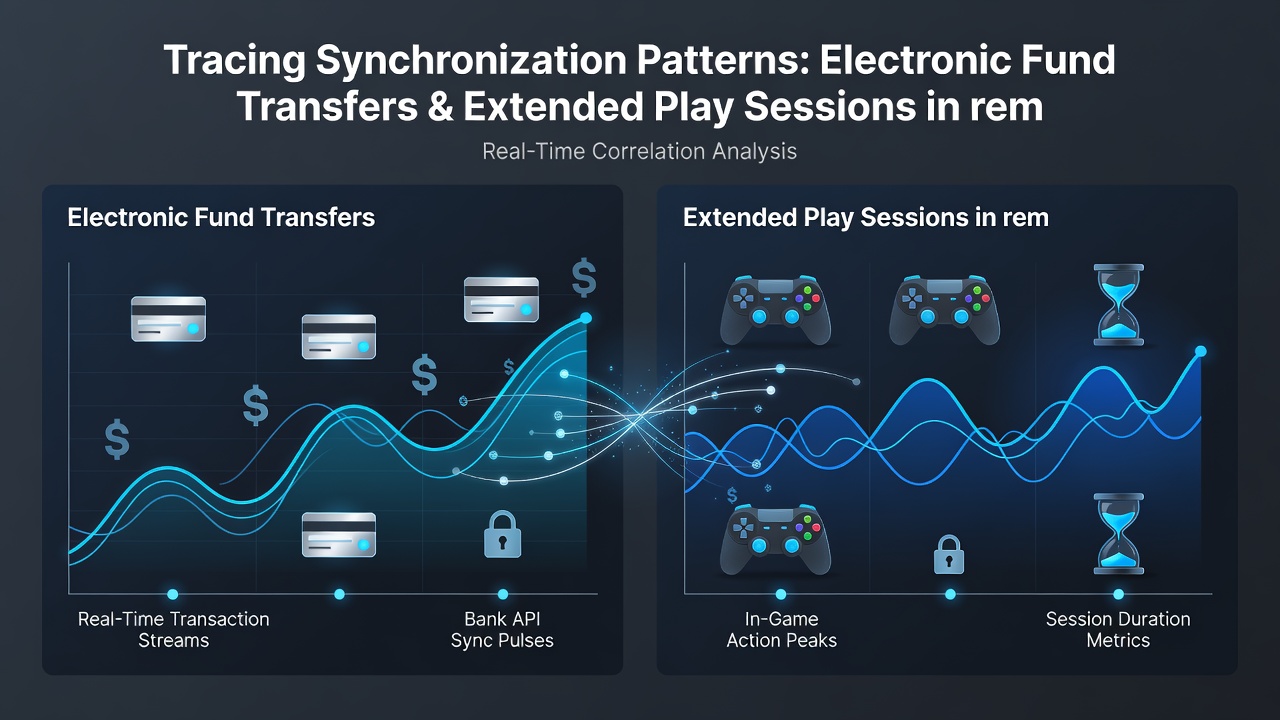
One dataset compiled by the New Jersey Division of Gaming Enforcement highlighted that synchronized transfer-session pairs increased by 14 percent between 2024 and 2025, and similar trends appear in records maintained by the Nevada Gaming Control Board. Analysts compare these figures against baseline activity from earlier quarters to detect shifts, and the comparisons help isolate whether external factors such as promotional bonuses influence the observed patterns.
Technical Tools for Pattern Detection
Software suites designed for gaming compliance employ machine learning models that process time-series data from both banking rails and game servers simultaneously, and these models assign probability scores to each potential synchronization event. Engineers configure the systems to trigger alerts when transfer volume exceeds historical norms within a single extended session, and the alerts route automatically to compliance teams for manual verification. Updates rolled out in October 2026 incorporated additional variables such as device fingerprinting and IP consistency checks, which refined the accuracy of pattern matching across borders.
Databases store these enriched records for periods mandated by local statutes, and retrieval functions allow auditors to reconstruct full timelines of transfers and play activity on demand. Integration with external banking networks occurs through standardized protocols that preserve privacy while still permitting pattern-level analysis, and this balance supports both operational needs and regulatory requirements.
Cross-Border Considerations and Reporting Standards
Platforms operating across multiple jurisdictions align their logging practices with frameworks established by bodies such as the Malta Gaming Authority and the Australian Communications and Media Authority, and these alignments ensure that synchronization data remains comparable during international audits. Reports generated for one regulator often include sections that map directly to the data fields required by another, which reduces duplication while maintaining traceability. Observers note that October 2026 saw several platforms publish updated technical specifications detailing how they handle cross-border transfer data in extended sessions.
Industry associations compile anonymized summaries of these patterns and release them through periodic white papers, and the summaries assist smaller operators in benchmarking their own detection capabilities. The resulting benchmarks focus on metrics such as average transfer frequency per session hour and the distribution of session lengths that contain at least one confirmed deposit.
Conclusion
Tracing synchronization between electronic fund transfers and extended play sessions relies on precise timestamp alignment, robust data infrastructure, and consistent regulatory reporting across markets. Platforms continue to refine their analytical methods as new tools emerge, and the resulting insights feed into broader compliance and operational frameworks that govern remote gaming worldwide.